



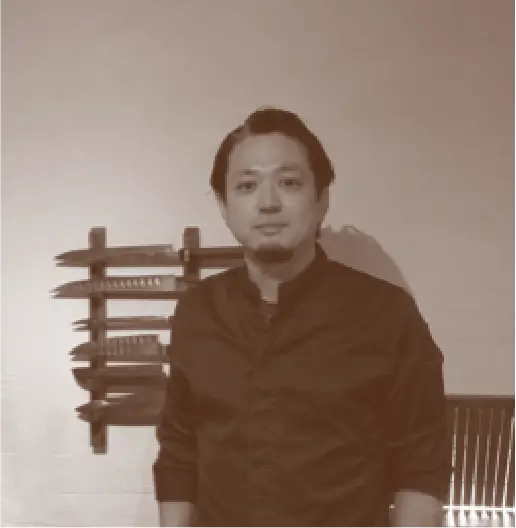
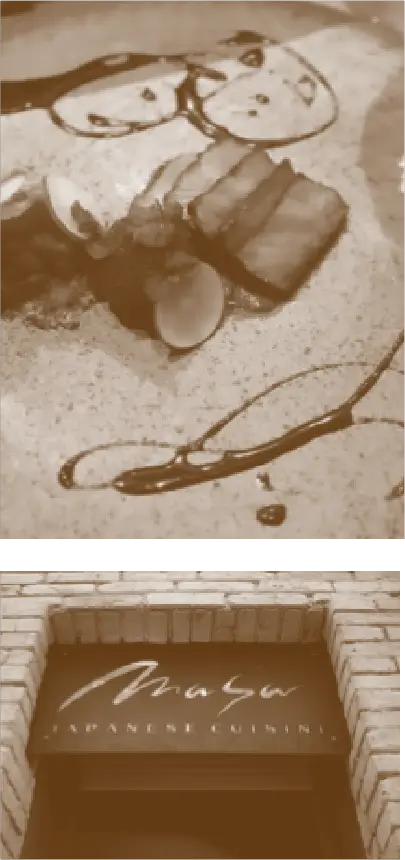
“Being a chef is my calling. I’m the type of person that doesn’t fit the mold.” Masaru Oae creates Japanese dishes that are based on kaiseki cuisine but incorporate French techniques and are adapted to European food culture.
Mr. Oae places importance on making Japanese cuisine accessible. “If you are too authentic, few people will even try it. You need to adapt it to European tastes at first so people will realize how good Japanese food is.” This philosophy is apparent when he talks about wagyu. “The most important thing is umami. The fat has a low melting point and changes to umami the moment you bite into it. The difference is clear.”
Masa offers multi-course meals where the customer chooses the main dish. The restaurant only uses TUW wagyu. Most customers choose the 50-gram cut for 65 euros without hesitation. “Every person that eats it understands. We ask customers to take the first bite with salt. We straw-grill it to lock in the umami and give it a fragrant aroma. They say ‘wow’ the moment they eat it,” said Mr. Oae.
He also spoke candidly about the difference between TUW and Kobe beef. “The first bite of Kobe beef may be delicious, but the way we cook it, TUW is a better fit. It is sirloin but is as light as fillet.”
For Mr. Oae, when a dish is plated, it is still not complete. “You shouldn’t be satisfied with a dish when you finish cooking it. It is not complete until you serve it to the customer. ‘Cooking’ includes everything—from temperature to timing to service,” he said.
Mr. Oae is striving to ensure his restaurant will still be well-loved in the next 10 to 20 years. He concluded the interview with these final words: “It makes me happy and thrilled that Japanese techniques and culture are spreading through wagyu beef.”
Beyond the Loin
The Advantages of TUW
To fully understand what makes Toriyama Umami Wagyu (TUW) so exceptional, you need to look at the entire head of cattle, not just the loin. But even then, you won't know the whole story. TUW is more than just a brand of high-end steak. We know everything there is to know about each cut and offer customers suggestions on the best ways to cook and serve each cut—which we are constantly improving by talking with chefs and incorporating feedback. TUW allows you to increase yield and enjoy the distinct flavor of wagyu beef. It has the potential to make restaurants more unique and inspire new innovations in cuisine. On this page, we'll introduce you to TUW's practices, the results of those practices, and philosophy as told by chefs in Germany.


Voices from Frankfurt & Beyond
SUSHI / FrankfurtTHE SAKAITakuya Uehara

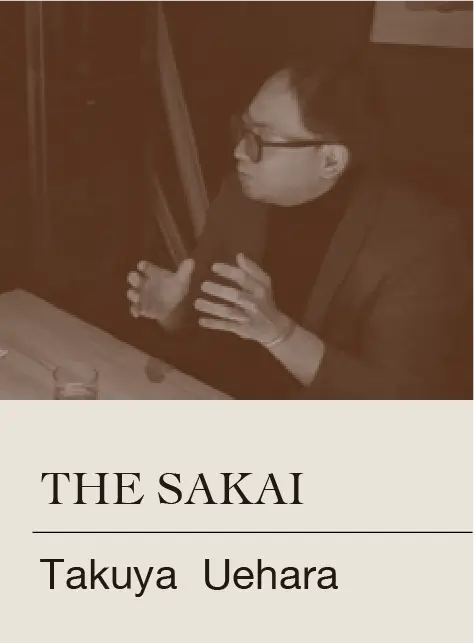
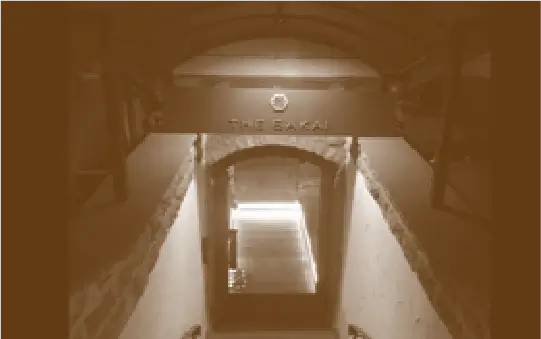
The Sakai is a sushi kaiseki restaurant in Frankfurt. Takuya Uehara is a chef at the restaurant who enthusiastically uses secondary cuts of TUW beef. When he decided to include a meat course in the restaurant’s sushi-based multi-course meal, he asked us for suggestions. After discussing with owner and chef Hiro Sakai, the restaurant adopted TUW without a hitch.
Mr. Uehara’s initial image of secondary cuts was that they were scrap. He learned the names of the different cuts in school but had few opportunities to actually use them. Then after trying them and listening to our suggestions, his image changed completely. “I tended to think that steak had to be sirloin or fillet. But there is more to meat than just those cuts.” Mr. Uehara comes up with a dish and then chooses a cut that will match, or he sees a cut and is inspired to create a new dish. He tries different secondary cuts whenever he has the opportunity and has created a wide range of unique courses that focus on the umami of red meat.
Secondary cuts also have a practical advantage in terms of cost. But Mr. Uehara’s aim in using them is not simply to keep the price down. He says that their real value is that they allow him to “serve a wide variety of cuts.” He thinks outside the box and conveys new appeal for wagyu, and his bold efforts have yielded results. “The response has been incredible,” says Mr. Uehara. TUW’s secondary cuts are more than just an ingredient to choose from for The Sakai, they are a practical resource for creating dynamic wagyu-based cuisine.
Mr. Uehara’s initial image of secondary cuts was that they were scrap. He learned the names of the different cuts in school but had few opportunities to actually use them. Then after trying them and listening to our suggestions, his image changed completely. “I tended to think that steak had to be sirloin or fillet. But there is more to meat than just those cuts.” Mr. Uehara comes up with a dish and then chooses a cut that will match, or he sees a cut and is inspired to create a new dish. He tries different secondary cuts whenever he has the opportunity and has created a wide range of unique courses that focus on the umami of red meat.
Secondary cuts also have a practical advantage in terms of cost. But Mr. Uehara’s aim in using them is not simply to keep the price down. He says that their real value is that they allow him to “serve a wide variety of cuts.” He thinks outside the box and conveys new appeal for wagyu, and his bold efforts have yielded results. “The response has been incredible,” says Mr. Uehara. TUW’s secondary cuts are more than just an ingredient to choose from for The Sakai, they are a practical resource for creating dynamic wagyu-based cuisine.
Japanese Cuisine / StuttgartnagareShinichi Nakagawa
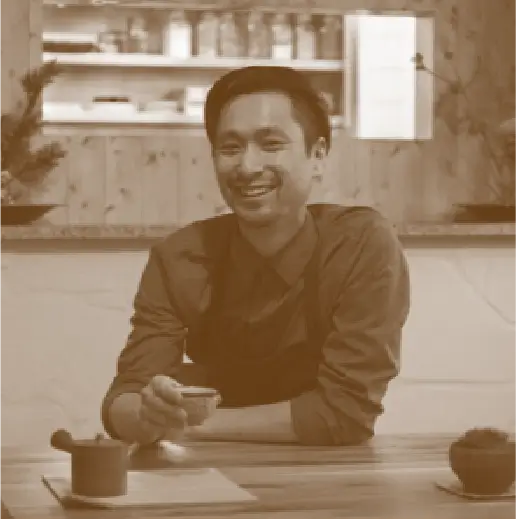
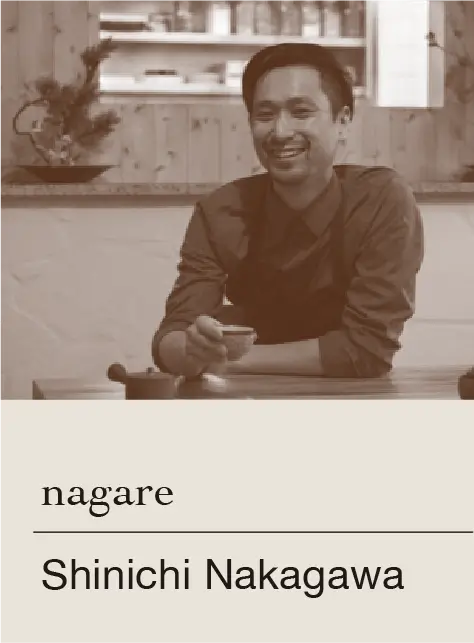
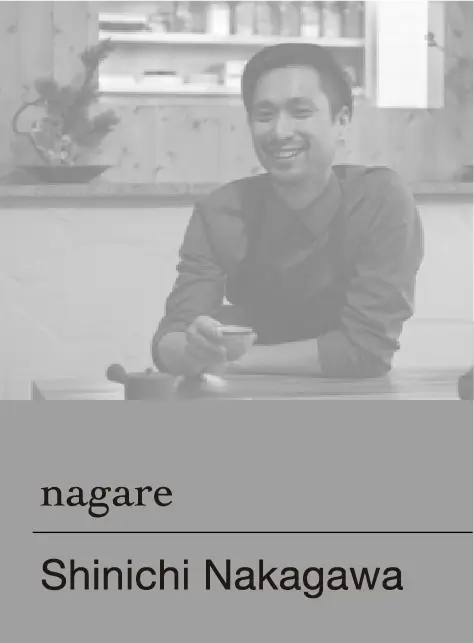
Shinichi Nakagawa has spent most of his life as a chef in Germany, where he has witnessed the spread of wagyu in the country firsthand. In the past, mainly Australian beef was used, and for a long time he was unable to convey to people the difference between it and Japanese beef. If he served wagyu, customers thought little more of it than the fact that they ate wagyu. Few people were concerned about where the meat came from.
“People here tend not to like meat with too much fat.” Mr. Nakagawa focuses more on the balance between fat and umami than lavishly marbled meat. He said that the first time he tried TUW, his impression was that the fat was not too white and it gave a strong umami taste the moment he bit into it. He felt that this wagyu would be a natural fit for European tastes.
Today Mr. Nakagawa uses the secondary cuts of top-round and chuck roll in addition to sirloin. He decides how to cut and cook each cut based on the condition of each one. Even top-round can be served as the main course by making use of its characteristics. And by combining different kinds of cuts, he can both keep prices down and delight customers.
The fact that Mr. Nakagawa creates opportunities for industry peers to try TUW is proof of his conviction in our beef. He wants people to use TUW after understanding its essence—a mindset that will help pave the future of wagyu in Stuttgart.
“People here tend not to like meat with too much fat.” Mr. Nakagawa focuses more on the balance between fat and umami than lavishly marbled meat. He said that the first time he tried TUW, his impression was that the fat was not too white and it gave a strong umami taste the moment he bit into it. He felt that this wagyu would be a natural fit for European tastes.
Today Mr. Nakagawa uses the secondary cuts of top-round and chuck roll in addition to sirloin. He decides how to cut and cook each cut based on the condition of each one. Even top-round can be served as the main course by making use of its characteristics. And by combining different kinds of cuts, he can both keep prices down and delight customers.
The fact that Mr. Nakagawa creates opportunities for industry peers to try TUW is proof of his conviction in our beef. He wants people to use TUW after understanding its essence—a mindset that will help pave the future of wagyu in Stuttgart.
Italian / FrankfurtCarmelo GrecoBenedetto Russo
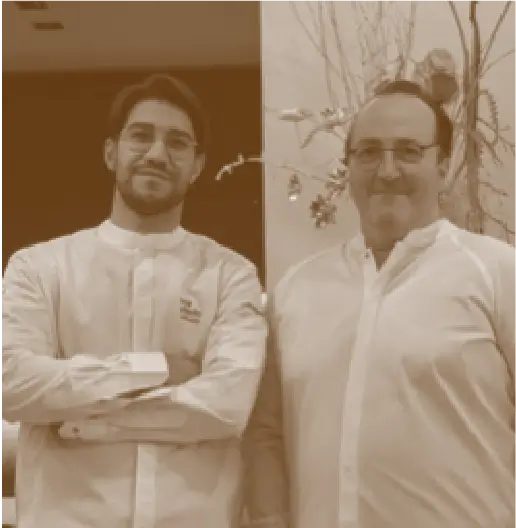
Carmelo Greco is a renowned Italian restaurant in Frankfurt that has been Michelin-starred since 1996. Benedetto Russo runs the kitchen under the leadership of owner and chef Carmelo Greco. He is a chef that approaches ingredients with reverence. The restaurant changes its menu flexibly based on the state of the market. After receiving a suggestion from its distributor, the restaurant adopted wagyu without hesitation.
When Mr. Russo decided to get serious about using Japanese wagyu, he realized that what left the biggest impression on him was the aroma of the fat. “The aroma that wafts up when you start cooking it is completely different.” The reaction when cooking it was a more decisive factor than the marbled appearance for him. Mr. Russo doesn’t use Japanese wagyu because it is high-end, but because of the taste. This mindset overlaps with the restaurant’s approach to ingredients.
His encounter with TUW did not end up being simply about adding a new ingredient. He participated in a cutting seminar for TUW secondary cuts held in Gunma Prefecture, Japan, and recalled how he felt when he first sliced into it with a knife,: “It was like butter.” With the right knowledge and techniques, even cuts that are usually used just for stew can be made into steak. He felt that this potential could naturally be applied to Italian cuisine.
In the West, the word “wagyu” is widely known. But the difference between wagyu produced in Japan and other countries is largely not understood. “Letting people try it is faster than explaining it,” said Mr. Russo. Experience is the most persuasive teacher. As an ingredient, wagyu is the star of the dish. But its value is determined by how it is handled. TUW is demonstrating the potential of wagyu in the courses at Carmelo Greco.
When Mr. Russo decided to get serious about using Japanese wagyu, he realized that what left the biggest impression on him was the aroma of the fat. “The aroma that wafts up when you start cooking it is completely different.” The reaction when cooking it was a more decisive factor than the marbled appearance for him. Mr. Russo doesn’t use Japanese wagyu because it is high-end, but because of the taste. This mindset overlaps with the restaurant’s approach to ingredients.
His encounter with TUW did not end up being simply about adding a new ingredient. He participated in a cutting seminar for TUW secondary cuts held in Gunma Prefecture, Japan, and recalled how he felt when he first sliced into it with a knife,: “It was like butter.” With the right knowledge and techniques, even cuts that are usually used just for stew can be made into steak. He felt that this potential could naturally be applied to Italian cuisine.
In the West, the word “wagyu” is widely known. But the difference between wagyu produced in Japan and other countries is largely not understood. “Letting people try it is faster than explaining it,” said Mr. Russo. Experience is the most persuasive teacher. As an ingredient, wagyu is the star of the dish. But its value is determined by how it is handled. TUW is demonstrating the potential of wagyu in the courses at Carmelo Greco.
FINE JAPANESE CUISINE / SalzburgMIZU NO YAMAKentaro Fujita


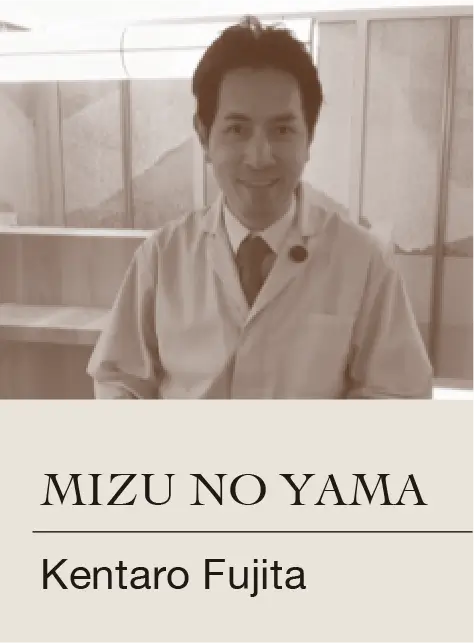
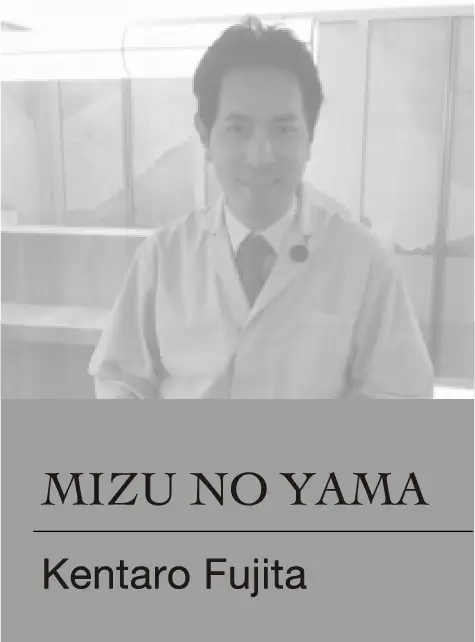
Kentaro Fujita entered the world of cooking when he was 15, and before he realized it, more than 25 years had passed. He worked as a chef in Germany and now cooks Japanese cuisine in Salzburg, Austria. “I didn’t start cooking because I liked it,” he said laughing, but now he can clearly say that he does. The reason he likes it is the closeness with customers. Nothing makes him happier than immediately seeing their reaction to his creations and when a customer chooses his restaurant to celebrate a special day.
When asked what the appeal of wagyu was to him, Mr. Fujita answered, “the aroma of the fat and the umami,” without hesitation. He said the unique aroma that rises the moment you start cooking it is completely different from other types of beef. However, he is not someone who thinks the more marbled the better.
His impression of TUW the first time he saw it was that it was “just red meat.” But when he tried cooking it, the wagyu aroma wafted up, and it had a soft texture when he ate it. That tenderness is not from the fat. It has a firmness you can sink your teeth into, so you know it is meat you are eating. It is that balance that he likes, said Mr. Fujita. As a chef, he realized that when using meat in a multi-course meal, it is important for it to be not too fatty. TUW doesn’t disrupt the flow of the meal. Even if you use fat in the sauce, it is not too heavy, and in fact brings out the umami. Mr. Fujita’s next goal is to spread kaiseki cuisine throughout Europe and bring people authentic Japanese cooking instead of accommodating to local tastes. TUW is at the core of that goal, including at his new restaurant in Salzburg.
When asked what the appeal of wagyu was to him, Mr. Fujita answered, “the aroma of the fat and the umami,” without hesitation. He said the unique aroma that rises the moment you start cooking it is completely different from other types of beef. However, he is not someone who thinks the more marbled the better.
His impression of TUW the first time he saw it was that it was “just red meat.” But when he tried cooking it, the wagyu aroma wafted up, and it had a soft texture when he ate it. That tenderness is not from the fat. It has a firmness you can sink your teeth into, so you know it is meat you are eating. It is that balance that he likes, said Mr. Fujita. As a chef, he realized that when using meat in a multi-course meal, it is important for it to be not too fatty. TUW doesn’t disrupt the flow of the meal. Even if you use fat in the sauce, it is not too heavy, and in fact brings out the umami. Mr. Fujita’s next goal is to spread kaiseki cuisine throughout Europe and bring people authentic Japanese cooking instead of accommodating to local tastes. TUW is at the core of that goal, including at his new restaurant in Salzburg.